It usually starts with a swatch card on the kitchen bench. You have narrowed it down to a deep charcoal you saw on a new build in Thurgoona and a lighter grey that feels like the safer bet. Then someone asks the obvious question: will the dark one make the house hotter?
Choosing roof paint colours looks like a style decision. Here it is also a heat decision, a maintenance decision and, in a few townships, a council decision. We talk colour with almost every homeowner before a roof is painted, and the same handful of questions come up each time. These are the answers we give.
A dark roof soaks up more summer heat
Albury and Wodonga summers can push above 40°C, under mostly clear skies. A dark roof absorbs more of that sun. A light roof reflects more of it back.
The difference shows up first in the roof space, the cavity between your tiles and your ceiling. How much of it reaches the rooms below depends on your ceiling insulation, whether there is sarking (the foil layer under the tiles or sheets) and how well the roof space breathes. On an insulated tiled home, we describe the effect of a darker colour as minor rather than dramatic. Anyone who promises a specific drop in your power bill from colour alone is guessing.
That said, minor is not nothing. If the house has little or no ceiling insulation, or the bedrooms already cook on a February afternoon, it is worth leaning lighter.
Heat reflective coatings change the sum for darker colours
This one surprises people. Some roof coatings now use pigments designed to reflect more of the sun's infrared light, which is the part of sunlight you feel as heat. The colour you see stays the same, but the roof absorbs less heat than an ordinary coating in that shade would.
So a charcoal roof in a heat reflective formula is not the same as an old charcoal roof. It is still not a white roof, though. A light colour in a reflective formula will run cooler than a dark colour in the same formula, every time.
If heat is on your mind, ask whoever is quoting which product they plan to use and whether your chosen colour comes in a heat reflective version. Ranges differ between products, so do not assume every shade is available in every formula.
The colour decides how the roof looks in five years, too
A quality coating on a properly prepared surface typically lasts 10 to 15 years. You will be looking at this colour for a long time, so think past the first week.
Pale colours tend to show dust, dirt and lichen staining sooner, especially on shaded slopes that stay damp through our colder, wetter winters. Very dark and strongly saturated colours can make chalking more noticeable. Chalking is the powdery surface a coating develops as it weathers, and it reads as a dull, washed out look. Mid tones are the most forgiving on both counts.
Your north facing slopes cop the most sun and usually weather first. If one side of the roof is clearly visible from the street and faces north, that is the side to picture in a decade.
Tiles and metal take colour differently
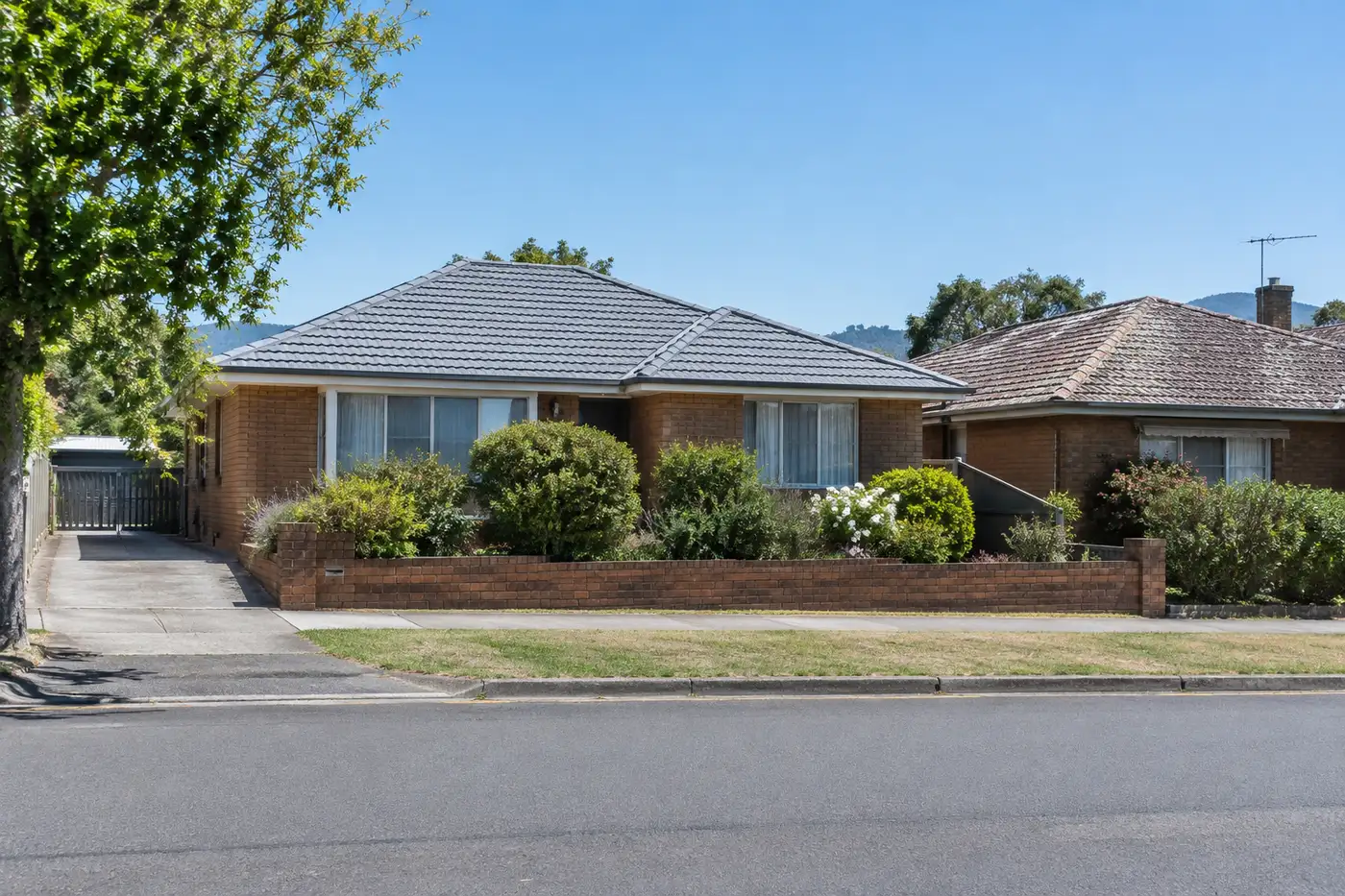
On a concrete tile roof, the old colour disappears completely under a primer and topcoats. Restored tiles usually take the new colour evenly, so most colours suitable for concrete tiles are on the table. It also means a few replacement tiles that did not quite match beforehand will blend in once the roof is coated.
Terracotta is a different story. Many terracotta roofs do not need painting for protection at all, and some owners would rather keep the natural colour. If you do paint terracotta, the primer has to suit a dense, less porous surface. We explain how terracotta and concrete tiles age differently in a separate guide, and it is worth knowing which you have before you choose a colour.
Metal roofs can change colour too. A faded Colorbond style roof can go from a tired cream to a modern grey, as long as it gets a metal specific primer and a topcoat flexible enough to move with the sheets as they heat and cool. Tile coatings are not suitable for metal. Our page on recoating a faded metal roof covers the preparation that has to happen first, including rust treatment.
Gutters, fascias and bricks narrow the choice quickly
The roof is the biggest coloured surface anyone sees from the street. Whatever you pick has to sit comfortably with everything that is staying put.
Before you fall for a swatch, look at the things you are not changing:
- your brick or render colour
- gutters and fascias, unless they are being replaced or painted as well
- window frames and the front door
- fences, carports and the garage door
A roof that fights the brick will bother you for years. A roof that picks up a tone already in the brick, or sits a shade or two away from the gutters, almost always looks deliberate. When we run a roof painting and colour consultation, this is usually where the shortlist shrinks from ten options to two.
Check the rules before changing colour on an older home or a new estate
In Beechworth and Yackandandah, many older homes sit in streetscapes where heritage controls may apply. A colour change that seems small can matter to council. Check with council before you commit, because every property is different and we will not guess on your behalf.
Some newer estates have their own design guidelines from the developer, and roof colour is occasionally one of them. If your home is fairly new, your purchase paperwork is the place to look.
Judge the colour on a real roof, not the swatch
A small paint chip under kitchen lights looks nothing like a whole roof under a clear Albury sky. Bright sunlight washes colours out, so most shades look lighter on the roof than on the card. Dark greys can read almost blue at midday and nearly black at dusk.
The best test is a drive. Find a roof in your shortlisted colour, ideally on a house with a similar pitch and similar bricks, and look at it in the middle of the day and again in the late afternoon. Newer streets in Thurgoona, Baranduda and Leneva are good for spotting modern greys and charcoals on metal. Established streets in Lavington and North Albury show plenty of recoated concrete tile roofs.
We settle the colour before anything is ordered
Colour is part of every painting inspection we do. We look at your tile or metal type, the age of the roof, which way it faces, the streetscape and any council requirements, then help you land on a colour that suits the house and the climate. The work carries our 15-year double-backed warranty covering materials and workmanship. If you would like a second opinion on your shortlist, see how we paint roofs in Albury and Wodonga, or call us on (02) 6084 7048 to book an inspection.